Maintaining a clean and safe kitchen is critical for every restaurant owner. Kitchen cleanliness directly affects food quality, staff safety, and customer satisfaction. One of the most important concerns in a commercial kitchen is fire prevention. Grease buildup, dirty vents, and unclean cooking equipment can increase fire risk significantly. Every restaurant must have a structured cleaning routine to prevent fire hazards. Cleaning a commercial kitchen regularly ensures that restaurant kitchen fire safety is maintained, protecting staff, customers, and property. Proper cleaning practices also help comply with local fire codes and health regulations. Regular inspections and maintenance can greatly reduce fire incidents in busy kitchens. Clean kitchens are safer kitchens, promoting confidence in staff performance.
Why Fire Safety Matters in Restaurants
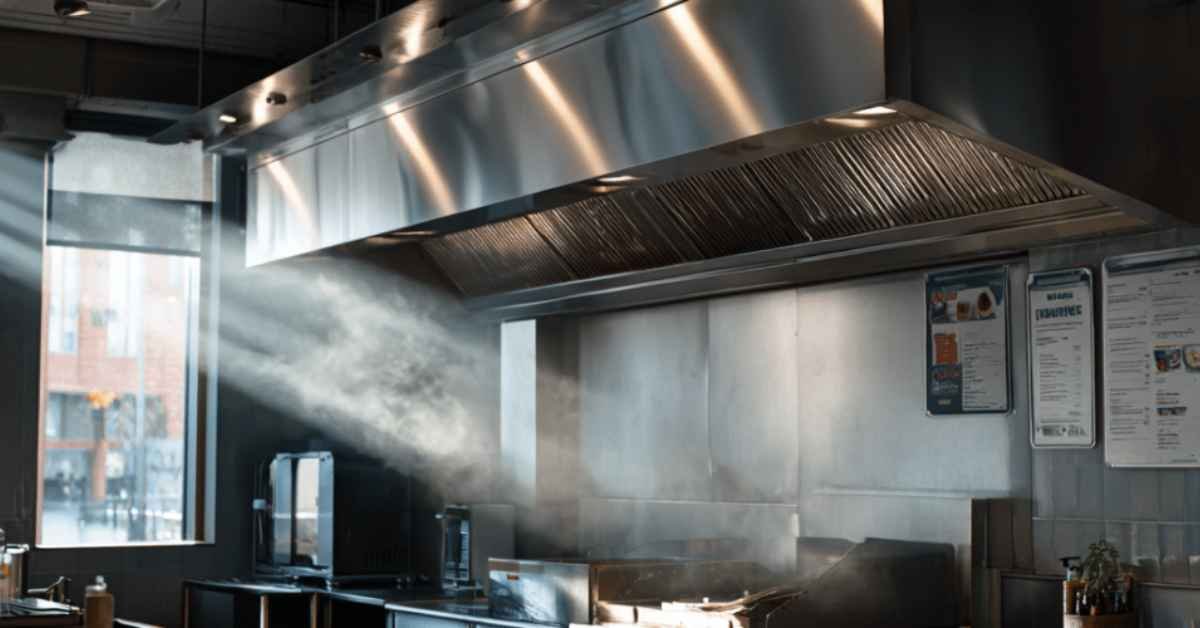
Grease accumulation is one of the main causes of kitchen fires in restaurants. Cooking oils, fryers, and ovens tend to leave sticky residue over time. If not cleaned properly, grease can ignite and spread quickly. Regular hood and vent cleaning is essential to remove dangerous buildup. Daily wipe-down of all surfaces, including stovetops and grills, helps maintain safety. Professional cleaning services can also assist with deep cleaning tasks. Using safe degreasers ensures both hygiene and fire protection. Installing and maintaining functional fire suppression systems further increases safety. Following a strict cleaning schedule is crucial for restaurant kitchen fire safety. Staff training on cleaning and fire protocols is equally important for prevention.
Common Kitchen Fire Hazards
Restaurants must also pay attention to kitchen equipment maintenance to reduce fire risk. Faulty electrical appliances, worn cords, or overloaded outlets can start dangerous fires. Ovens, grills, and fryers should be inspected regularly for wear and tear. Cleaning grease traps and ensuring ventilation systems are clear reduces fire hazards. Kitchen staff should know how to operate fire extinguishers and suppression systems. Commercial kitchen cleaning helps protect electrical and cooking equipment from damage. Regular inspections also prevent potential shutdowns or code violations. A clean, well-maintained kitchen ensures that restaurant kitchen fire safety is always a priority. Small preventive measures often save significant costs and prevent injuries.
Safe Storage Practices for Fire Prevention
Fire safety in restaurants also depends on proper storage of flammable materials. Paper towels, oil containers, and cleaning chemicals should be kept away from heat sources. Grease-soaked rags must be disposed of safely to prevent spontaneous combustion. Cabinets and storage shelves should be organized to avoid overcrowding. Staff should be trained to recognize fire hazards during daily kitchen operations. Proper labeling and segregation of chemicals help prevent accidental fires. Using flame-resistant materials near cooking areas provides extra protection. A combination of careful storage and consistent cleaning ensures restaurant kitchen fire safety. These small steps are essential to protecting both people and property from fire accidents.
Essential Cleaning Practices
Routine cleaning practices significantly reduce the risk of restaurant kitchen fires. Daily cleaning involves wiping down counters, stovetops, and grills with degreasers. Weekly cleaning focuses on hood and vent maintenance, removing grease from hard-to-reach areas. Monthly cleaning may include professional deep cleaning of exhaust systems and ducts. Checking fire suppression systems regularly ensures they function properly during emergencies. Emptying trash bins and properly disposing of cooking waste prevents accidental ignition. A clean kitchen not only prevents fires but also enhances hygiene and productivity. Following a detailed cleaning schedule ensures restaurant kitchen fire safety. Consistency in cleaning and inspection is the key to maintaining a secure environment.
The Role of Professional Cleaning Services
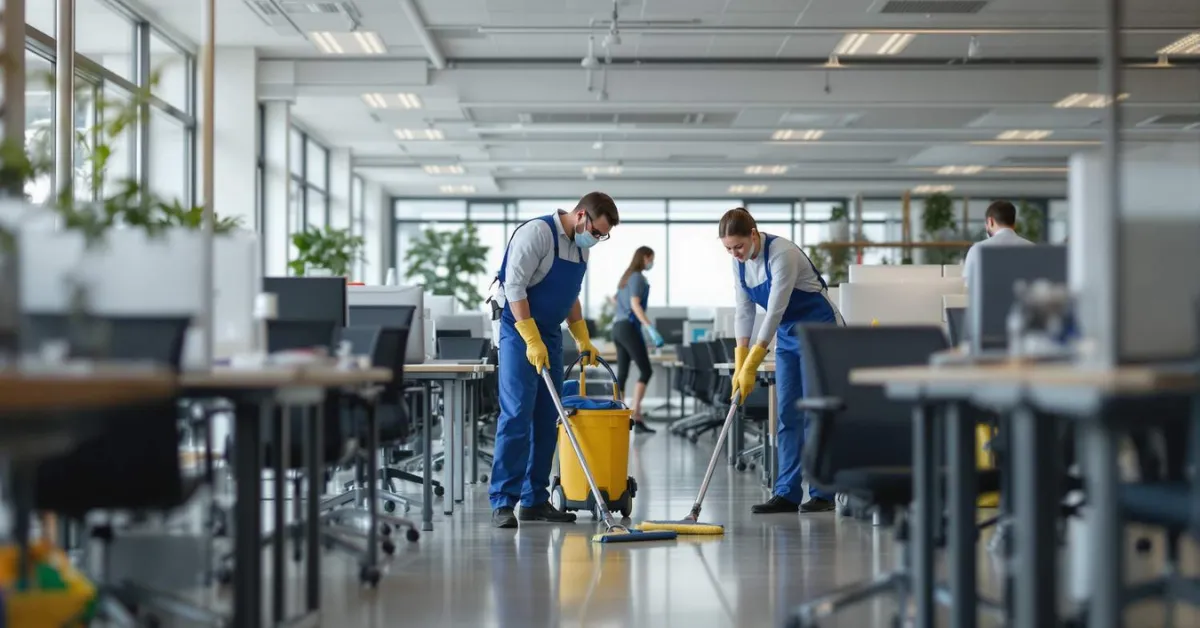
Professional commercial cleaning services can provide additional protection against kitchen fires. Experts have the right equipment and knowledge to remove stubborn grease effectively. They also ensure compliance with fire and health regulations, which is crucial for any restaurant. Scheduled professional cleaning can prevent costly fire incidents and reduce insurance risks. Cleaning hoods, ducts, and vents professionally keeps kitchens safe and compliant. Regularly hiring experts complements daily cleaning performed by staff. Combining professional cleaning with routine maintenance improves overall kitchen safety. This also extends to exterior property maintenance, including sidewalk cleaning and compliance with local sanitation codes. Using certified services from Your Way Community Services Corp. ensures restaurant kitchen fire safety is never compromised. Professional guidance helps owners implement long-term fire prevention strategies efficiently.
Staff Training and Safety Culture
Maintaining fire-safe kitchens requires teamwork between owners, managers, and staff. Employees should follow cleaning schedules, use equipment safely, and report hazards immediately. Regular training sessions reinforce the importance of fire safety in restaurants. Management should monitor cleaning effectiveness and update safety protocols as needed. Safety audits help identify areas of concern and improve kitchen standards. Ensuring that extinguishers and suppression systems are functional is mandatory. A culture of safety encourages everyone to prioritize restaurant kitchen fire safety. When cleaning, maintenance, and training work together, the kitchen environment becomes secure, efficient, and compliant with regulations. Prevention always outweighs the cost of dealing with a fire.
Frequently Asked Questions
How often should a restaurant clean its kitchen for fire safety?
Restaurants should clean surfaces daily and perform hood maintenance weekly. Regular cleaning prevents grease buildup and reduces fire risks.
Can professional services improve kitchen fire safety?
Yes, certified cleaners remove stubborn grease and maintain equipment properly. They also ensure compliance with fire safety regulations.
What equipment requires regular inspection to prevent fires?
Ovens, fryers, grills, and electrical appliances need frequent checks. Proper inspection ensures safe operation and prevents accidents.
How should flammable materials be stored in kitchens?
Store oils, paper, and chemicals away from heat sources. Proper storage prevents accidental ignition and fire hazards.
Are staff training programs necessary for kitchen fire safety?
Yes, trained staff know proper cleaning routines and emergency procedures. Training ensures quick, safe responses to fire hazards.
Keep Your Restaurant Safe with Expert Kitchen Cleaning
Maintaining a restaurant kitchen is more than just a task it’s a responsibility to protect your business, staff, and customers from potential fire hazards. Regular, professional restaurant kitchen cleaning helps prevent grease and residue buildup that can lead to dangerous fires. By following a consistent cleaning schedule and partnering with trusted experts like YWCS, restaurants in YWCS can stay compliant with both health and fire safety standards. A clean kitchen is a safer kitchen, so don’t wait for a fire hazard to occur. Request a free quote from experienced commercial kitchen cleaners who will keep your kitchen spotless and secure. Call today at (914) 570-4876 to schedule your service.