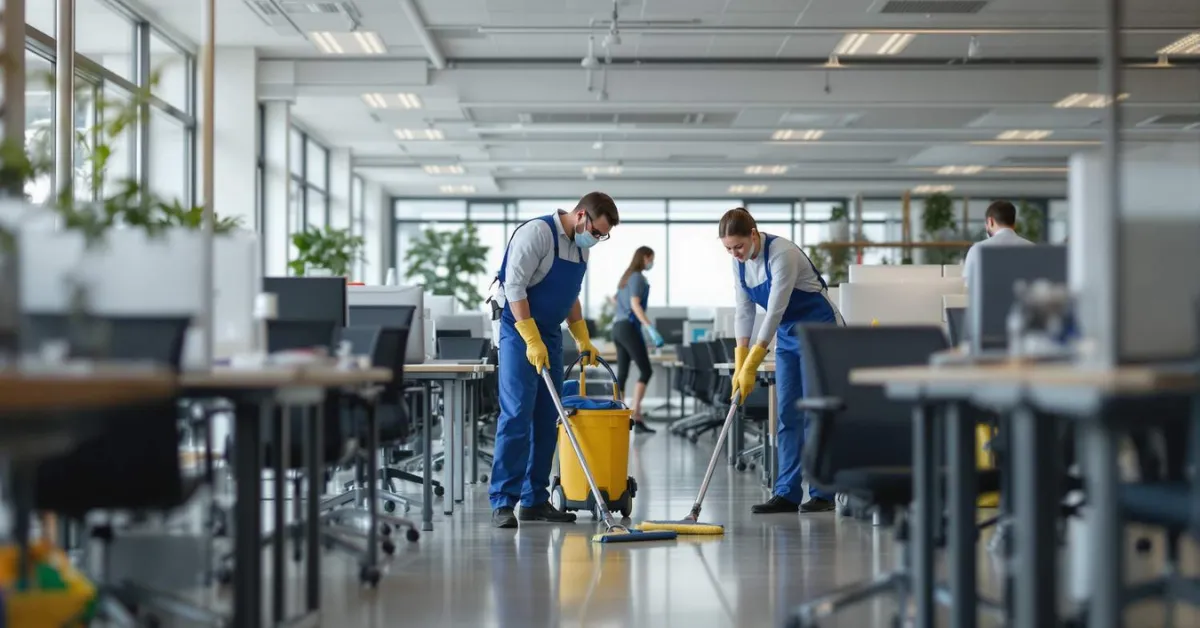
A clean workspace is more than just a visual preference; it is a fundamental component of professional success, employee health, and operational efficiency. However, maintaining a pristine environment consistently requires more than an occasional dusting. For facility managers and business owners, the secret to sustained tidiness lies in a well-structured plan. Cleaning office buildings effectively requires a strategic approach that balances high-traffic demands with specialized maintenance tasks. By developing a customized cleaning schedule, you can ensure that no corner is overlooked, costs are managed, and your building remains a welcoming environment for staff and clients alike.
In many cases, the most efficient way to maintain these standards is by partnering with professional cleaning services for office buildings. These experts bring the equipment and systematic consistency needed to keep a facility running smoothly. By implementing a consistent office cleaning schedule, businesses can ensure that every area remains sanitized and professional day after day.
Why a Customized Schedule is Essential
Every commercial space has a unique rhythm. A medical clinic has different sanitation requirements than a creative tech hub or a high-traffic retail storefront. A “one size fits all” checklist often leads to over-cleaning quiet areas while neglecting the zones that need the most attention.
When you prioritize a systematic approach to cleaning office buildings, you extend the life of your assets. Regular carpet shampooing prevents fiber breakdown, and consistent floor buffing protects expensive hardwood or tile. Beyond the financial benefits, a scheduled routine provides peace of mind, knowing that health standards are being met without constant supervision.
Step 1: Conduct a Needs Assessment
Before penning your schedule, walk through your facility with a critical eye. Identify the high-traffic zones usually the lobby, elevators, restrooms, and breakrooms. These areas will require daily intervention. Next, identify “deep clean” zones, such as storage rooms or executive suites, which may only need weekly or monthly attention.
During this assessment, consider the specific materials in your building. Do you have large glass partitions that show fingerprints instantly? Are there high-pile carpets that trap allergens? Understanding the “what” and the “where” is the first step in cleaning office buildings with precision. If this process feels overwhelming, Your Way Community Services Corp can perform a professional audit of your facility to identify these hidden gaps and ensure no corner is overlooked.
Step 2: Categorizing Tasks by Frequency
A successful cleaning schedule is typically divided into three tiers: daily, weekly, and monthly/seasonal tasks. This division prevents staff from feeling overwhelmed and ensures deep-cleaning projects are never forgotten.
Daily Tasks: The Essentials
Daily tasks focus on hygiene and immediate presentation. These should include:
- Emptying trash and recycling bins.
- Sanitizing high-touch surfaces (doorknobs, light switches, elevator buttons).
- Cleaning and restocking restrooms.
- Wiping down breakroom counters and appliances.
- Vacuuming or sweeping main walkways.
Weekly Tasks: The “Middle Ground”
Weekly tasks tackle the buildup that isn’t immediately visible but affects the overall air quality and aesthetic.
- Dusting hard-to-reach surfaces like vents and top shelves.
- Cleaning glass windows and partitions to remove smudges.
- Buffing hard floors or deep-vacuuming corners.
- Sanitizing shared tech, such as conference room phones and keyboards.
Monthly and Quarterly Tasks: The Deep Clean
These are the heavy-duty projects that keep a building looking “like new.” When cleaning office buildings, these tasks often require specialized equipment:
- Professional carpet shampooing and extraction.
- Striping and waxing tile floors.
- Power washing exterior entryways.
- Deep cleaning HVAC vents and replacing filters to improve air quality.
Step 3: Determining the Best Time to Clean
Timing is a critical factor in the success of your maintenance plan. While some tasks, like restroom restocking, must happen during business hours, most heavy lifting should occur when the building is empty.
Night-shift cleaning is the standard for cleaning office buildings because it allows crews to use loud machinery (like vacuums and floor buffers) and apply cleaning agents that need time to dry without interrupting workflow. However, if your business operates 24/7, you may need a “staggered” schedule where specific wings are closed off for maintenance during low-activity windows.
Step 4: Embracing Green Cleaning Standards
Modern commercial maintenance is shifting toward sustainability. Utilizing green cleaning products isn’t just an environmental choice it’s a health choice. Harsh chemicals can leave behind fumes that trigger allergies or headaches in employees. By integrating eco-friendly practices into your schedule, you ensure that the process of cleaning office buildings contributes to a healthier indoor environment and potentially earns your building LEED or other green certifications.
Step 5: Implementation and Accountability
A schedule is only as good as its execution. Whether you use an in-house team or a professional janitorial service, clear communication is vital. Use a digital or physical checklist that staff must sign off on after completing tasks. This creates a “paper trail” of cleanliness that can be audited if issues arise.
Furthermore, remain flexible. If you host a large corporate event, your schedule for the following day should automatically pivot to prioritize the high-traffic event spaces. A rigid schedule that cannot adapt to the reality of business operations will eventually fail.
Conclusion
Creating a functional cleaning schedule is an investment in your company’s image and your employees’ well-being. By breaking down the massive task of cleaning office buildings into manageable daily, weekly, and monthly goals, you transform a daunting chore into a streamlined business process.
A clean office signals to your clients that you are detail-oriented and professional, and it tells your employees that you value their health and comfort. Start your assessment today, and build a routine that keeps your commercial space shining year-round.
Frequently Asked Questions
How much does office cleaning cost in NY?
Pricing depends on the facility size and specific maintenance needs. Rather than fixed rates, we provide tailored estimates to ensure you only pay for the exact services your building requires.
What services are included?
Our solutions include trash removal, restroom sanitation, vacuuming, and floor care. We also handle specialized tasks like carpet shampooing and green cleaning to keep your workspace pristine and healthy.
How often should an office be cleaned?
High-traffic areas and restrooms typically require daily attention for hygiene. Weekly or bi-weekly visits are often scheduled for deeper tasks like dusting and window cleaning to maintain overall professional standards.
Do I need a long-term contract?
We offer flexible service options to fit your business needs. While long-term agreements provide consistency, we prioritize building trust through reliable performance rather than forcing clients into rigid, lengthy commitments.
Can I get a quote over the phone?
We can provide a preliminary estimate or schedule a detailed site visit by calling (914) 570-4876. This ensures we accurately assess your facility’s layout and provide a precise, no-obligation quote.