Patient safety is the top priority in every medical environment. Maintaining a clean and hygienic space protects patients, staff, and visitors from harmful infections. Hospitals, clinics, and healthcare facilities face constant challenges in keeping their environments sterile. Proper sanitation and effective healthcare facility sanitation practices prevent the spread of germs, bacteria, and viruses that can compromise patient health. One of the most effective ways to ensure cleanliness is through professional medical facility cleaning services. These services follow strict guidelines for disinfecting surfaces, sterilizing equipment, and managing medical waste. Healthcare administrators can rely on these services to maintain high standards of hygiene and promote safe patient care every day.
Why Cleanliness Matters in Healthcare
In healthcare settings, cleanliness directly impacts patient outcomes and infection rates. Contaminated surfaces or poorly sterilized equipment can lead to healthcare-associated infections. Germs and bacteria spread easily in areas with high foot traffic, such as waiting rooms and hallways. Even minor lapses in cleaning protocols can create serious health risks for patients with weakened immune systems. Implementing strict sanitation procedures reduces the likelihood of disease transmission. Professional medical facility cleaning services help ensure every corner of a facility is thoroughly disinfected. These services provide trained staff, high-quality cleaning supplies, and consistent routines that meet regulatory standards for healthcare sanitation and safety.
Core Cleaning Protocols for Medical Facilities
Regular Disinfection Procedures
Routine disinfection is essential for every medical facility to maintain hygiene. High-touch surfaces like door handles, light switches, and elevator buttons must be cleaned multiple times daily. Floors, counters, and patient areas should be sanitized according to established schedules. Professional cleaners use hospital-grade disinfectants to eliminate harmful pathogens. Daily, weekly, and monthly cleaning routines help maintain a safe environment. Hospitals and clinics benefit from consistent cleaning that reduces infection risks. Integrating cleaning checklists ensures no area is overlooked. These measures promote overall health safety and compliance with health regulations. Adopting regular disinfection prevents the buildup of germs in medical spaces.
Sterilization of Equipment and Tools
Proper sterilization of medical equipment prevents cross-contamination between patients. Surgical instruments, diagnostic tools, and lab devices must undergo thorough cleaning. Autoclaves, chemical sterilizers, and UV sanitation are commonly used for sterilization. Professional cleaning staff follow strict protocols to ensure each item is safe for reuse. Medical devices are inspected regularly for cleanliness and proper function. Healthcare facilities cannot compromise on equipment sterilization as it directly affects patient care. Trained personnel understand how to handle and disinfect sensitive instruments safely. Routine checks confirm that sterilization procedures meet national healthcare standards. This practice reduces infection risks and promotes safer treatment environments.
Waste Management
Medical waste management is a critical aspect of healthcare cleaning. Proper disposal of sharps, biohazard materials, and contaminated items prevents accidental exposure. Color-coded containers and clear labeling help staff handle waste safely. Regular removal of waste from patient areas maintains a sanitary environment. Cleaning staff follow strict guidelines to transport and dispose of medical waste according to law. Professional medical facility cleaning services ensure all waste is managed efficiently. Proper waste handling minimizes risks for staff and patients alike. Safe disposal contributes to infection control and facility hygiene. Effective waste management is an essential component of comprehensive cleaning protocols.
Specialized Areas That Require Extra Attention
Operating Rooms
Operating rooms require extreme cleanliness and strict protocols. These areas are high-risk zones for infections due to surgical procedures. Floors, walls, and ceilings are cleaned with hospital-grade disinfectants. Equipment, tables, and surgical tools undergo sterilization before every procedure. Air filtration and ventilation systems are monitored to prevent contamination. Only trained personnel perform cleaning in operating rooms. Maintaining a sterile environment ensures patient safety during surgeries. Strict adherence to cleaning protocols reduces post-operative infection risks. Regular inspections guarantee compliance with healthcare standards. Operating room sanitation is a critical factor in successful surgeries and patient recovery.
Patient Rooms
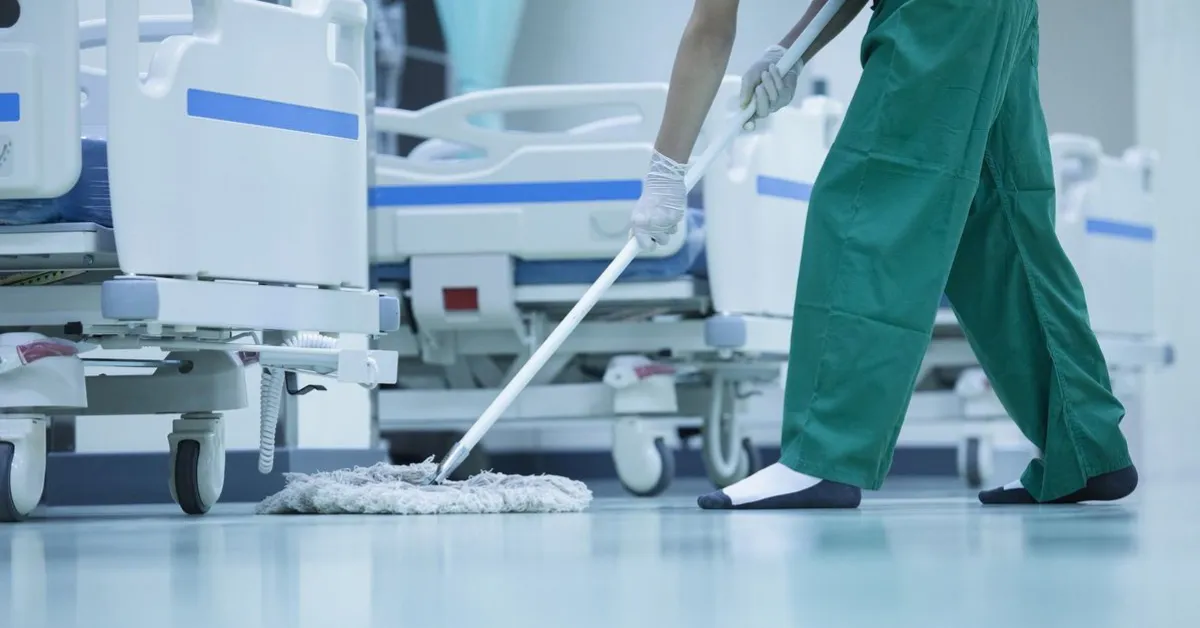
Patient rooms are frequently cleaned to protect vulnerable individuals. Beds, bedside tables, and chairs are disinfected daily. Linens and medical equipment are sanitized according to protocol. High-touch surfaces receive extra attention during routine cleaning schedules. Trained cleaning staff minimize cross-contamination between patients. Proper sanitation reduces the spread of contagious diseases. Patients benefit from a safe, healthy environment during their stay. Professional cleaning services ensure each room meets hygiene standards consistently. Daily cleaning contributes to overall patient satisfaction and safety. Healthcare facilities rely on structured cleaning procedures to maintain sterile patient areas.
Laboratories and Testing Areas
Laboratories and testing areas handle sensitive materials that require special care. Floors, counters, and equipment are cleaned regularly to prevent contamination. Chemical and biological hazards are managed according to strict guidelines. Professional staff use disinfectants and sterilization techniques suitable for lab environments. Consistent cleaning ensures the accuracy of test results and safety for staff. Proper sanitation prevents accidental exposure to pathogens. Laboratories depend on trained professionals for efficient cleaning protocols. High-quality medical facility cleaning services provide expertise in maintaining lab hygiene. Clean labs ensure reliable testing and patient safety. Adhering to rigorous cleaning standards supports research and healthcare operations.
Benefits of Professional Cleaning Services
Hiring professional cleaning teams ensures consistent sanitation across all areas. Professional medical facility cleaning services provide trained staff, advanced equipment, and hospital-grade disinfectants. These services reduce infection rates and enhance patient safety. Staff efficiency increases when they operate in clean, well-maintained environments. Facilities meet regulatory standards and maintain certifications with professional support. Specialized cleaning reduces the risk of costly compliance issues. Patients and visitors feel reassured in sanitized environments. Reliable cleaning services promote a healthier workplace for healthcare professionals. Comprehensive sanitation practices contribute to better healthcare outcomes and patient trust.
Conclusion
Patient safety depends on strict adherence to cleaning protocols in healthcare environments. Hospitals, clinics, and laboratories must prioritize hygiene to prevent infections. Professional medical facility cleaning services provided by Your Way Community Services Corp offer expertise, consistency, and proper sanitation methods. Daily cleaning, sterilization of equipment, and proper waste management ensure safe environments. Specialized attention to operating rooms, patient rooms, and laboratories enhances overall safety. Investing in professional services protects patients, staff, and visitors alike. Healthcare administrators must implement structured cleaning routines to maintain compliance and safety. Clean and well-maintained medical facilities reflect high-quality care and a strong commitment to patient health.
Frequently Asked Questions
What are medical facility cleaning services?
These are professional services that keep hospitals, clinics, and labs clean. They ensure proper disinfection, sterilization, and safe waste handling.
How often should cleaning be performed in healthcare settings?
High-touch surfaces should be disinfected daily, while deep cleaning is done weekly or monthly. This maintains a safe and hygienic environment.
Why is sterilization important in hospitals?
Sterilization eliminates germs on medical tools and equipment. It prevents cross-contamination and protects patients from infections.
Can professional cleaning services reduce infection rates?
Yes, trained cleaning staff follow strict protocols that lower infection risks. Consistent sanitation improves overall patient safety.
Are medical waste management protocols necessary?
Absolutely, proper handling and disposal of sharps and biohazard materials prevent accidents. It protects both staff and patients.